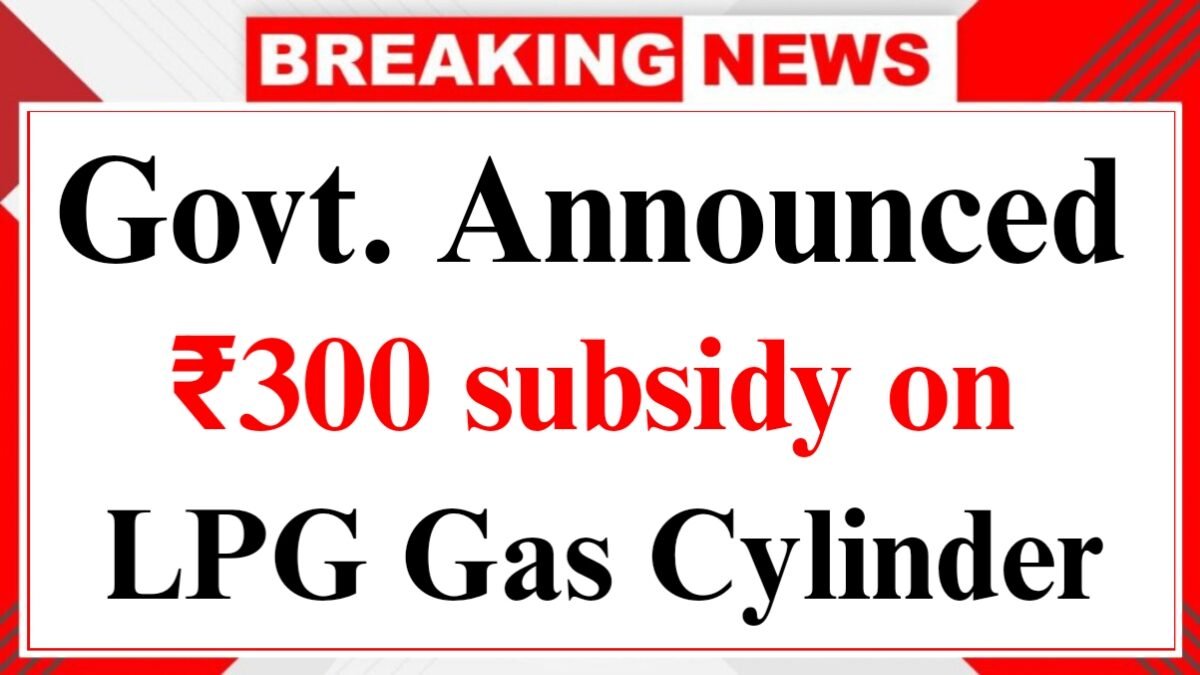
The LPG Subsidy Update for 2026 has emerged as a crucial development for households across India, particularly in light of increasing living costs. As cooking gas prices have experienced substantial fluctuations over recent years, families—especially those in lower and middle-income brackets—have been forced to frequently adjust their monthly budgets. The government’s proposal to allocate a subsidy of up to ₹300 per LPG cylinder is not just a gesture of goodwill; it signalizes a significant recalibration of energy policy aimed at easing financial burdens.
LPG is the primary cooking fuel for a vast majority of urban households, and it is gaining ground in rural areas too. With rampant energy inflation impacting everything from transportation to food prices, relief in essential areas like cooking fuel holds significant weight. This proposed LPG subsidy for 2026 could provide much-needed financial relief, becoming a pivotal point in the transition towards cleaner forms of domestic energy.
Why LPG Subsidy Is Back in Focus
India’s LPG policy has gone through various phases over the last decade, oscillating between expansion efforts and targeted support strategies. Initially, schemes focused on increasing access by bringing gas connections to kitchens that previously lacked them. In recent years, however, attention has shifted towards market-linked pricing and selective subsidies. The surge in international fuel prices has reignited discussions around affordability—particularly for families that rely heavily on LPG for daily cooking needs.
The resurgence of the LPG subsidy conversation is grounded in the reality of price stability. A ₹300 subsidy per cylinder could help bridge the accessibility gap and ensure regular consumption. This strategic move aligns with the government’s broader initiative to prevent households from reverting to traditional fuel sources like firewood or kerosene in times of financial strain.
Who Stands to Benefit the Most
The proposed subsidy framework indicates comprehensive coverage, particularly for registered domestic LPG consumers who meet the necessary verification requirements. While low-income households are expected to experience the most immediate relief, middle-class families often left out of targeted welfare schemes could also see noteworthy savings.
For households using one cylinder per month, the cumulative annual savings could be substantial. Additionally, rural households transitioning to LPG may find the subsidy especially beneficial, as logistical barriers often complicate the process of refilling cylinders. The implementation of a point-of-sale subsidy can alleviate both financial and psychological barriers, making it easier for consumers to continue using LPG.
How the Payment System Is Likely to Work
According to previous subsidy models, the ₹300 support is expected to be transferred either through direct benefit deposits to linked bank accounts or adjusted at the time of purchase. The distribution method will depend on administrative choices, aiming for transparency and traceability. Consumers must maintain updated bank and mobile linkages to qualify for uninterrupted benefits.
There are discussions surrounding limits on the number of subsidized cylinders per household, both monthly and annually. These caps aim to prevent misuse while promoting fiscal discipline. Clear communication from authorities will be crucial, as any confusion regarding eligibility or delays in receiving credits could negatively impact public confidence in the system.
Economic and Social Impact Beyond the Kitchen
While the immediate effect of the LPG subsidy for 2026 will be seen in household budgets, its implications extend far beyond. Reduced expenses on cooking fuel can unlock resources for other essential needs like nutrition, education, and healthcare, particularly for economically vulnerable families. On a public health note, consistent LPG usage can significantly lower indoor air pollution levels—addressing a leading cause of respiratory ailments, especially affecting women and children.
From a macroeconomic viewpoint, the subsidy aids India’s clean energy initiatives. Encouraging steady use of gas discourages a return to biomass fuels, therefore maintaining progress achieved through earlier clean cooking campaigns. Energy economist Dr. R. Mehta suggests that targeted subsidies serve as effective nudges, encouraging households to stick with cleaner fuels even when market prices are unfavorable.
What Comes Next for LPG Policy
Looking ahead, the ₹300 LPG subsidy could represent a pilot project for more adaptive energy pricing models. Policymakers may closely monitor consumption patterns, fiscal expenses, and public health outcomes before making further decisions about extending, modifying, or eliminating the support.
For consumers, remaining informed is critical. Regular updates from official sources, timely verifications, and monitoring of subsidy credits will be key to actualizing the benefits of this scheme. While the subsidy might not shield households from all energy price fluctuations, it is a meaningful approach to lessen the impact and keep clean cooking fuel accessible.
Disclaimer: This article is based on available information regarding the proposed LPG subsidy for 2026. Final eligibility criteria, subsidy limits, and payment mechanisms will be determined by government notifications. Readers are encouraged to consult authorized sources for confirmation and procedural details.
What is the LPG subsidy for 2026?
Who will benefit from the LPG subsidy?
How will the subsidy be paid?
Are there any caps on the subsidy?
How will this subsidy affect public health?
